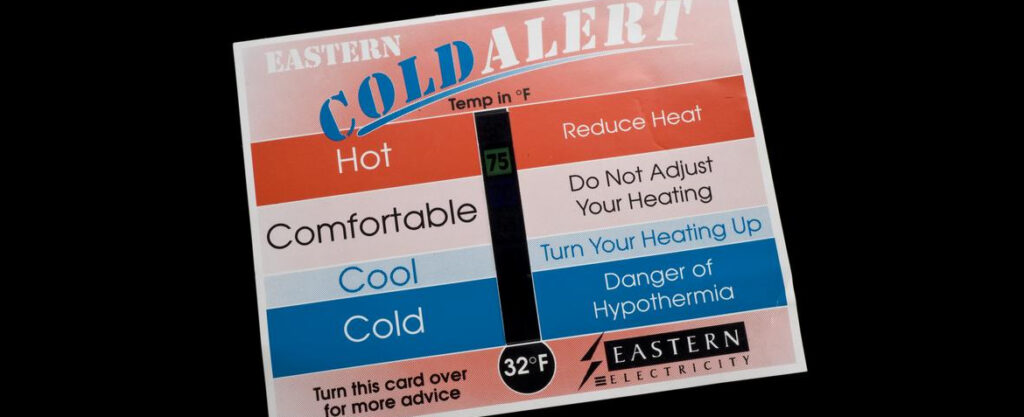
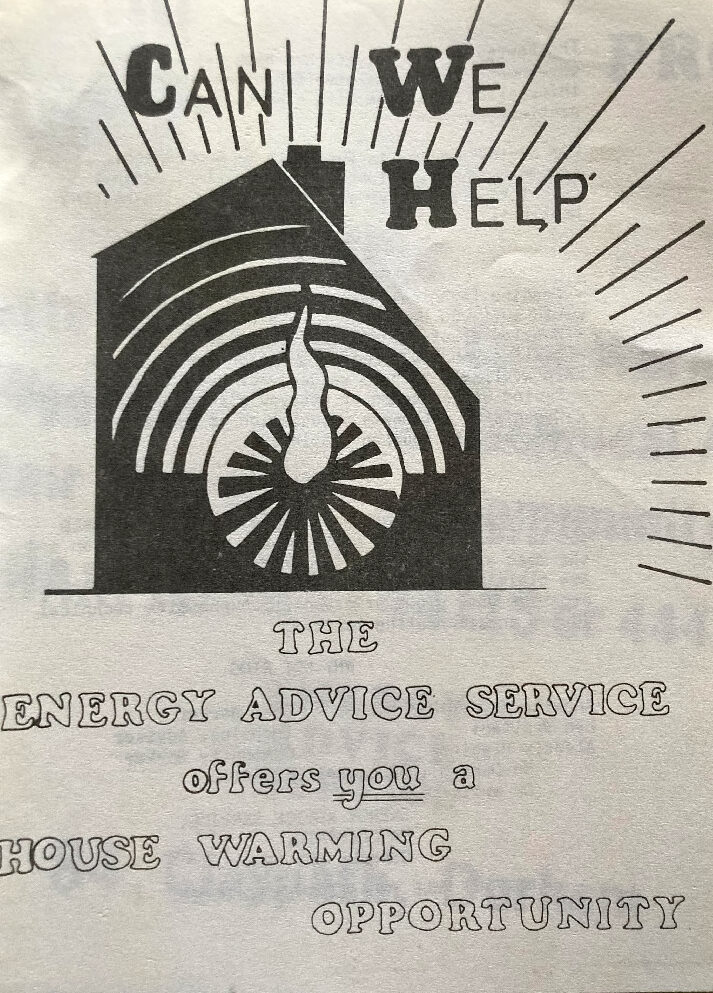
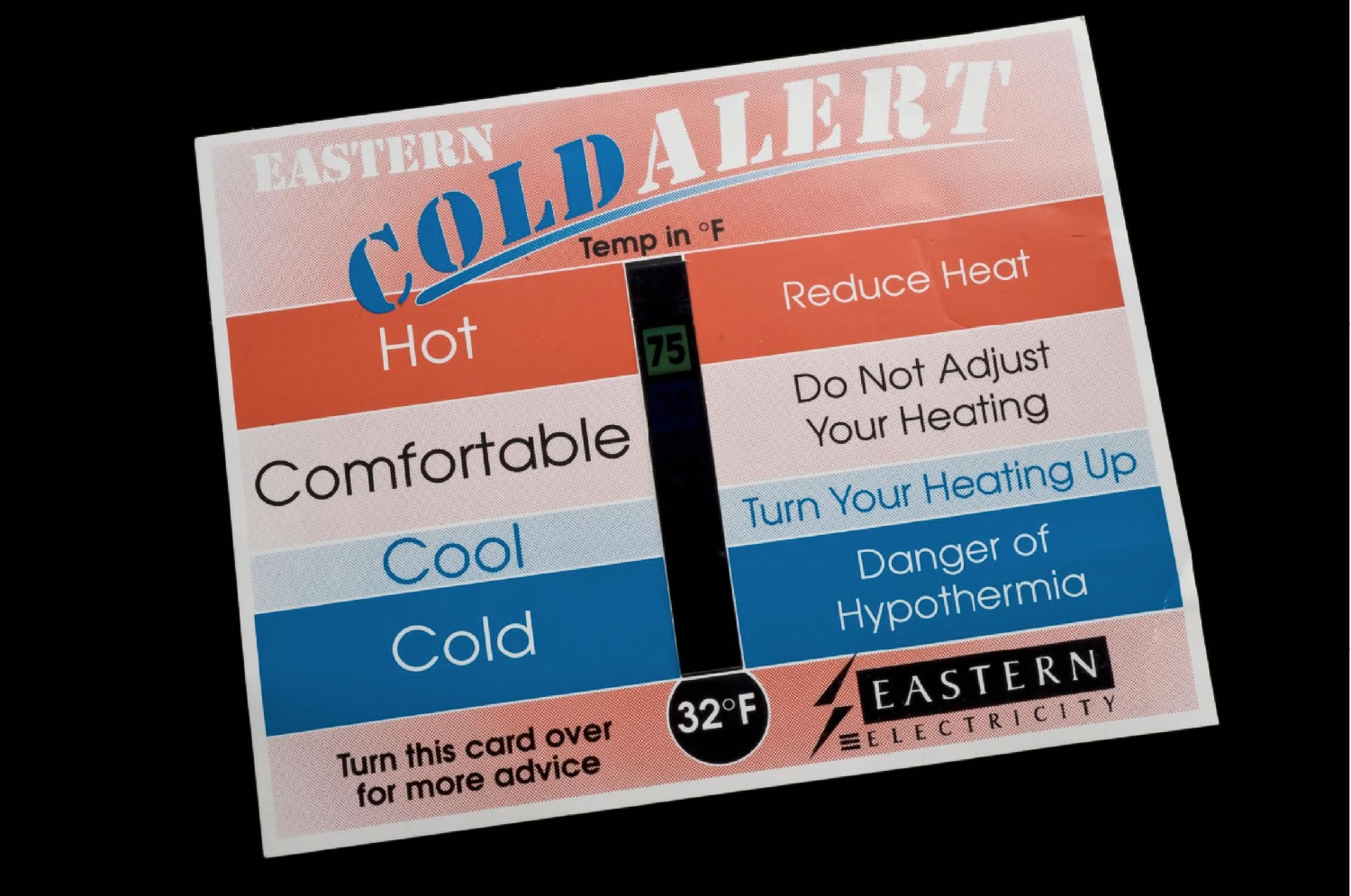
Warmth is central to our health and wellbeing. However, domestic heating is currently responsible for 18% of our total carbon emissions. In developing a social history of warmth, the most carbon intensive area of our everyday health, the project is exploring how the body became such a large energy consumer.
The project approaches this from several angles. Firstly the project considers how energy has shaped our health practices and expectations of bodily comfort. The second explores how far energy (or warmth) was treated as part of public health and central to the welfare state in the past. And finally, the project documents how people’s access to warmth has been denied in the past and how far gender, ethnicity, age, class and disability has shaped these experiences. Alongside considering how this history emerged nationally, the project is developing a regional place-based history centred on the North East.
In unpacking this history, the project will develop a theory of the “Carbon Body” that could be applied in different case studies and global contexts.
This project is a three-year Wellcome Trust Career Development Award entitled “Carbon Bodies: Warmth and Fuelling Health in Britain, 1918 to 2022” running from 2024/5-2027/8.
Full project title
Carbon Bodies: Warmth and Fuelling Health, 1918 to 2022
Staff in Humanities and Social Sciences at Northumbria University work with a wide variety of external institutions, organisations, and individuals and we are always keen to develop new partnerships and collaborations.
So, if you think there would be a benefit in working with us, or that our research expertise might be of use in your project or organisation, please get in touch to start the conversation.