Unlike today, in early modern Britain singing together was ubiquitous entertainment for all ages and classes. The popularity of ballad-singing is well known; however, singing in harmony has largely been studied as an elite practice. In contrast, this first in-depth study of round/catch-singingc.1550-1650 (songs like ‘London’s Burning’ for ‘Frere Jacques’ where everyone sings the same tune but starting at different times) demonstrates the vital importance of polyphonic song across the social spectrum, asking: who sang catches and how were singers regarded? What social functions did catch-singing play and how did their singing define different communities? How did catches traverse oral/literate cultures, and how were they adapted for use in different settings such as homes, alehouses, ships, and stages?
This research aims to dispel notions of popular song as monophonic (everyone always singing one tune), redefine singing in harmony as socially ubiquitous not exclusive, and resituate such singing as a vital social practice in early-modern everyday life.
The project is also working to engage new publics in catch-singing and think about what benefits a revival of such informal, social singing might bring for individuals and communities today.
The project welcomes new enquiries. Catches are diverse in subject and difficultly and so can be tailored for all ages and abilities, so do get I n ouch if you think catch-singing might be beneficial to your members and activities.
Full project title
Sing You Now After Me: Catch-Singing and Community in Britain, c.1550-1650
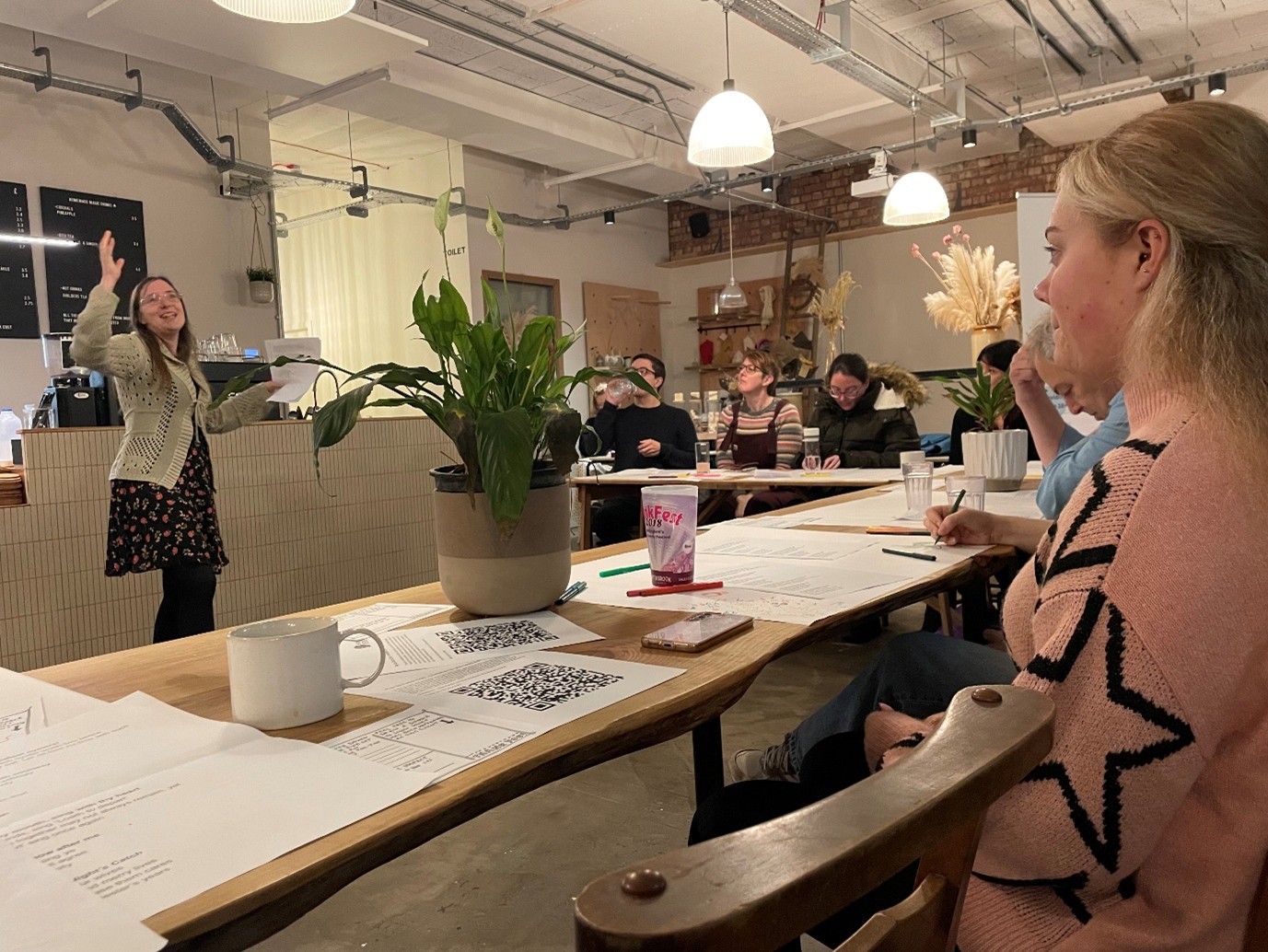
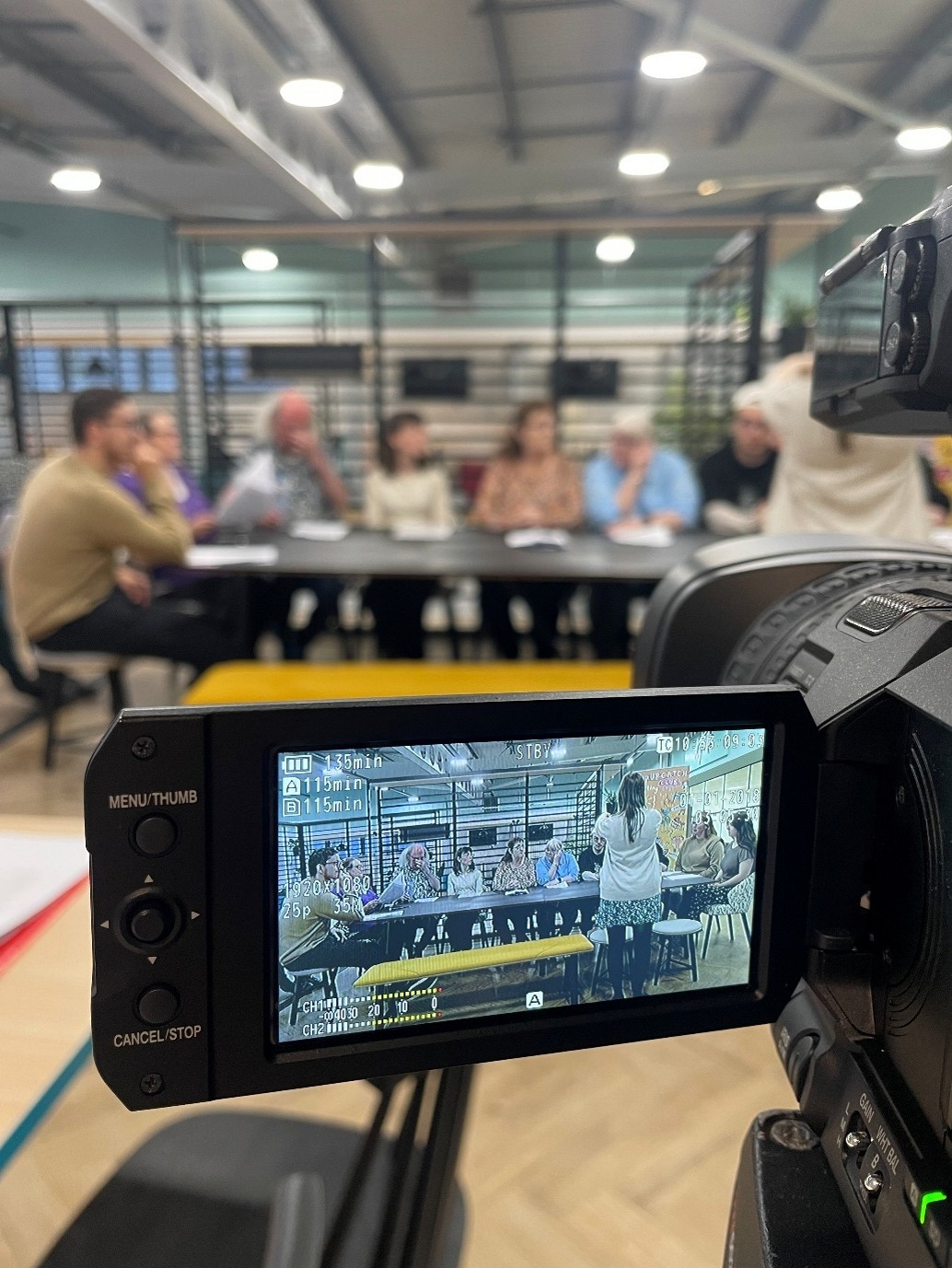
(COnverge are an organisation who work with adults experiencing mental health challenges. The workshops explored past practices of social singing and what we can learn from them to improve our wellbeing and sense of belonging today. Here’s a playlist of their favourites (and their own composition) recorded at the end of the series:
Kiplin Hall
Bringing to life the catch-singing soundscape of Kiplin Hall, a Jacobean House near Richmond, with two all-age event days and an interactive multimedia resource for ongoing resources. We were even able to sing some of the catches found in the household archives: Some of the catches sung can be heard here:
Reasons to Sing
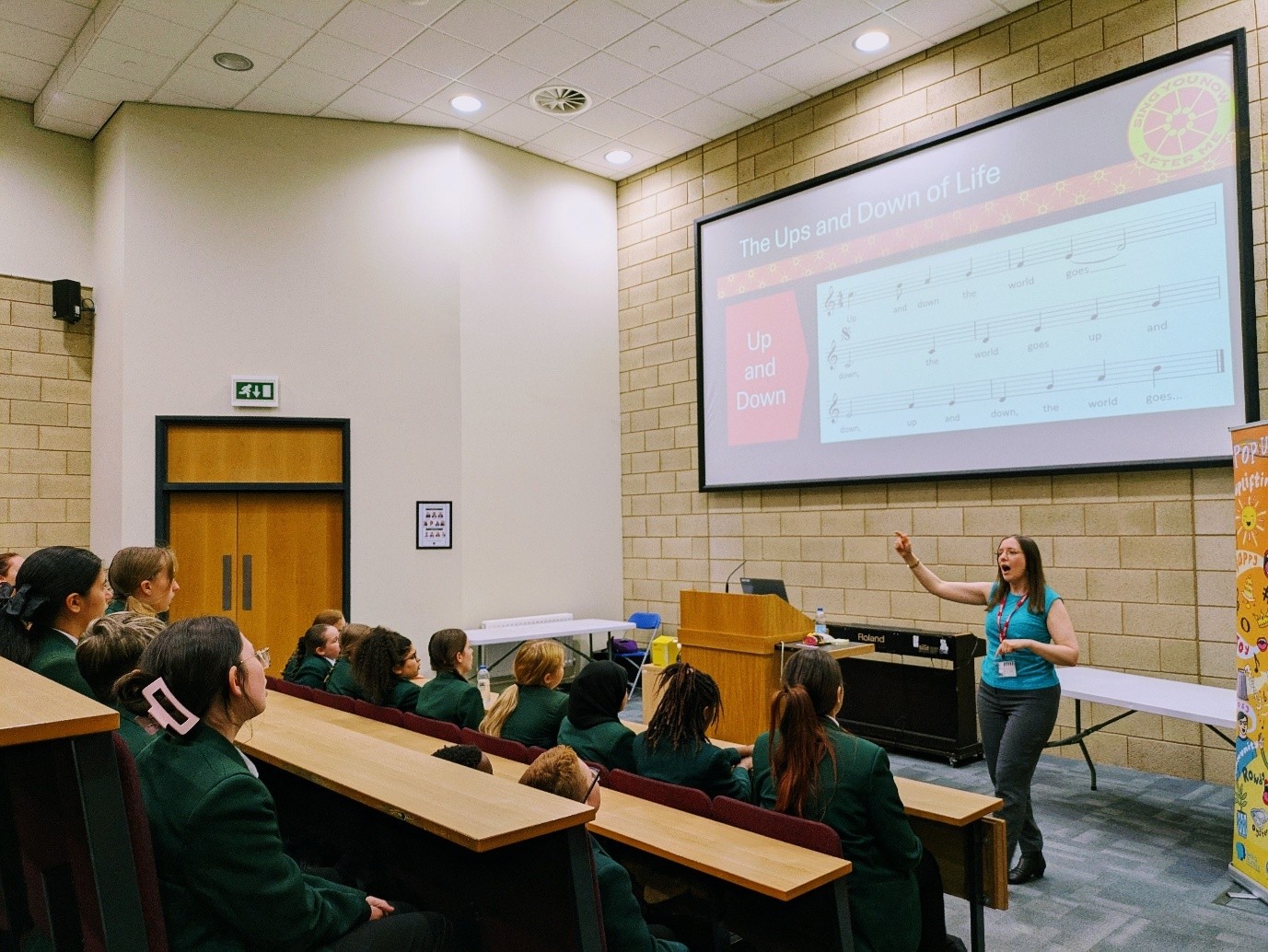
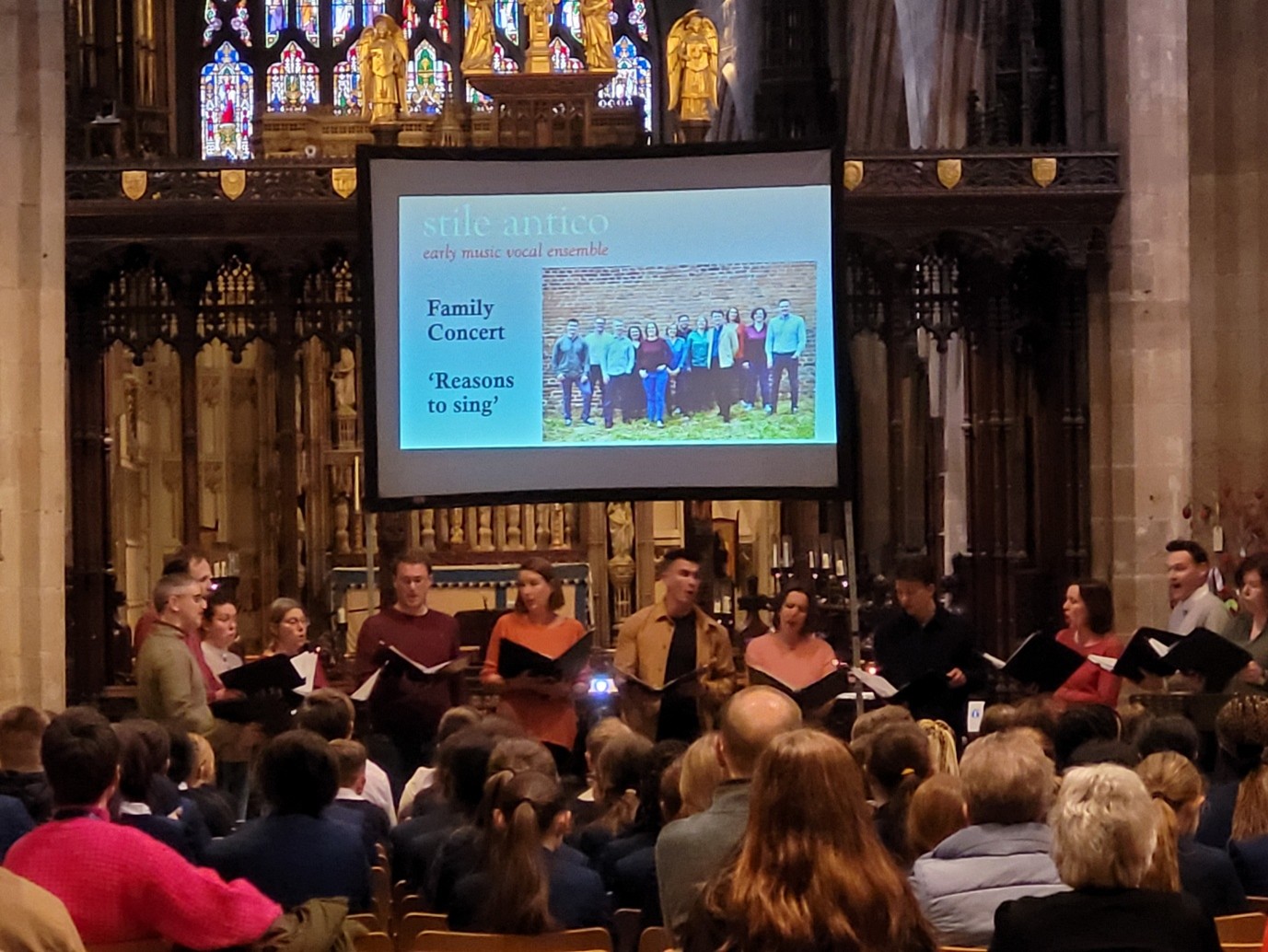
We worked with the Arts Council funded ‘Reasons to Sing’ project for the anniversary of Tudor composer William Byrd in 2023 who included the catch ‘Sing with now after me’ was taught to year 8 pupils in Leeds, Newcastle and Birmingham in workshops led by Horizon Voices as an introduction to the style of Tudor imitative polyphony and sung by the pupils as part of interactive family concerts with Stile Antico. Short videos on music and the Tudors were also provided to support the school workshops.
Working with rainbow, brownies and guide groups
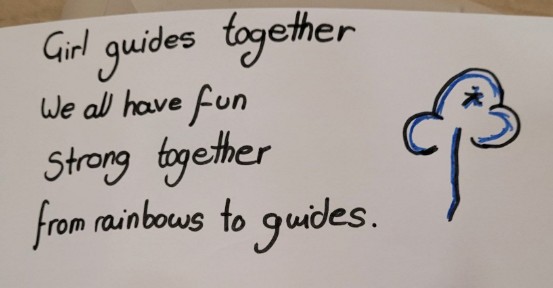
So far, we’ve done 10 sessions with rainbow, brownies and guide groups across the city. They earned their ‘Sing You Now After Me’ badge for their uniform or camp blanket by learning new songs, building confidence in singing in parts, and creating their own unit/patrol/six catches.
Creative workshops for schools
We held creative workshops for five middle and secondary schools in across Newcastle, Sunderland and Blyth. The workshops combined the singing and composition of catches. Themes have included building musical and ensemble skills, singing for wellbeing, exploring everyday life in Tudor England through song, as well as workshops for school choirs.
Sacred rounds
Working with Newcastle Cathedral, we experimented using sacred rounds during Evensong with their choristers. They partnered to with us to deliver catch-singing workshops in five schools alongside their primary school singing programme.
The Late Shows
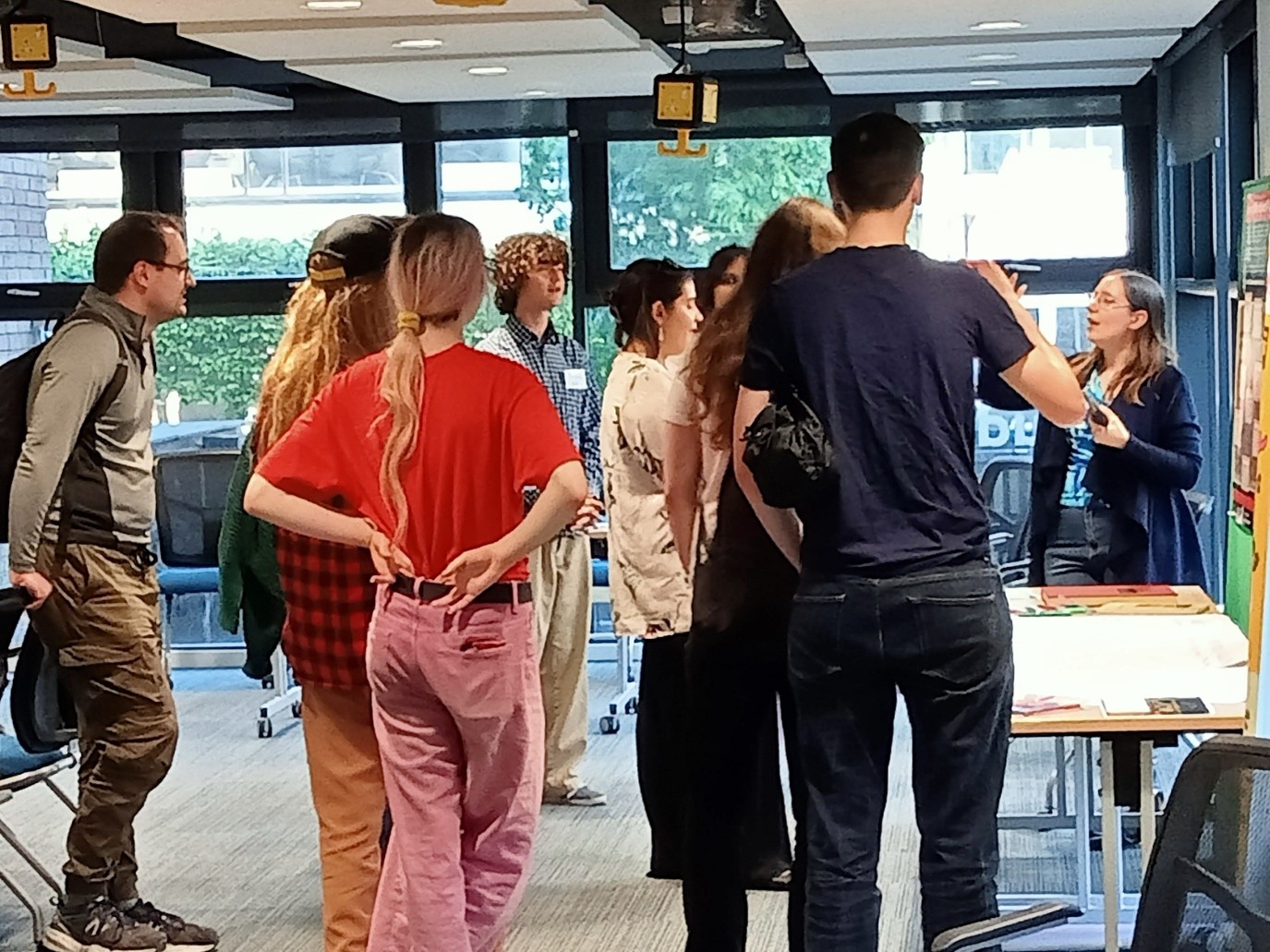
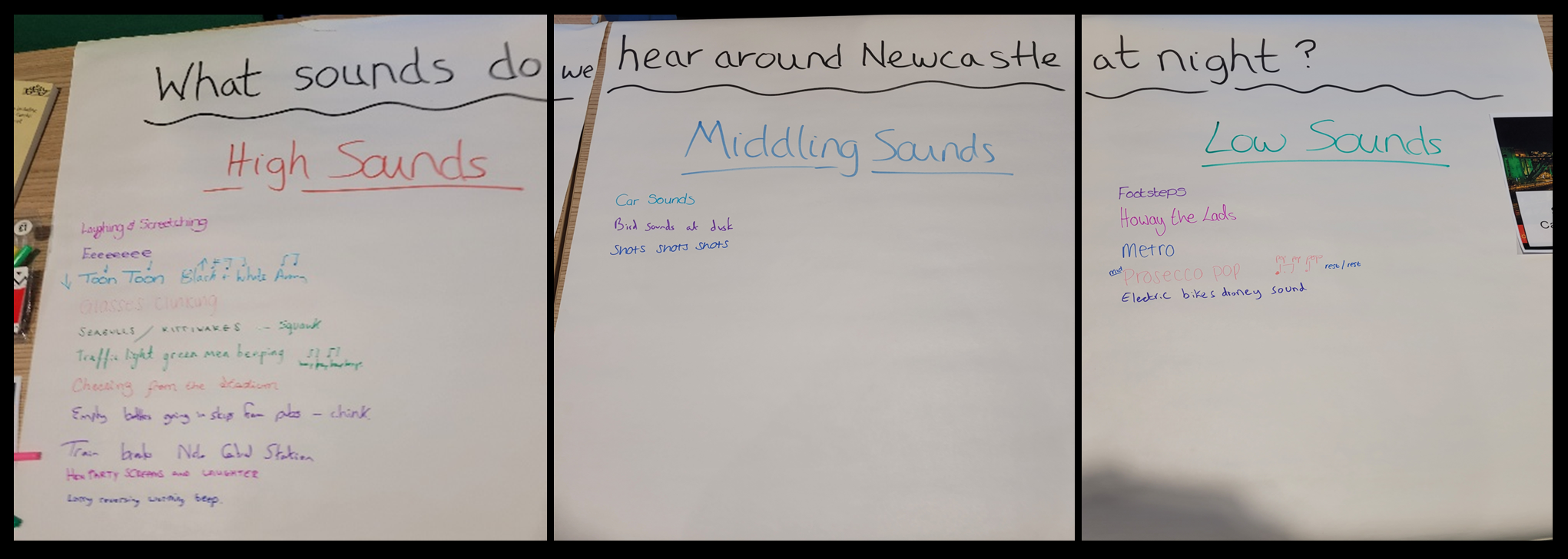
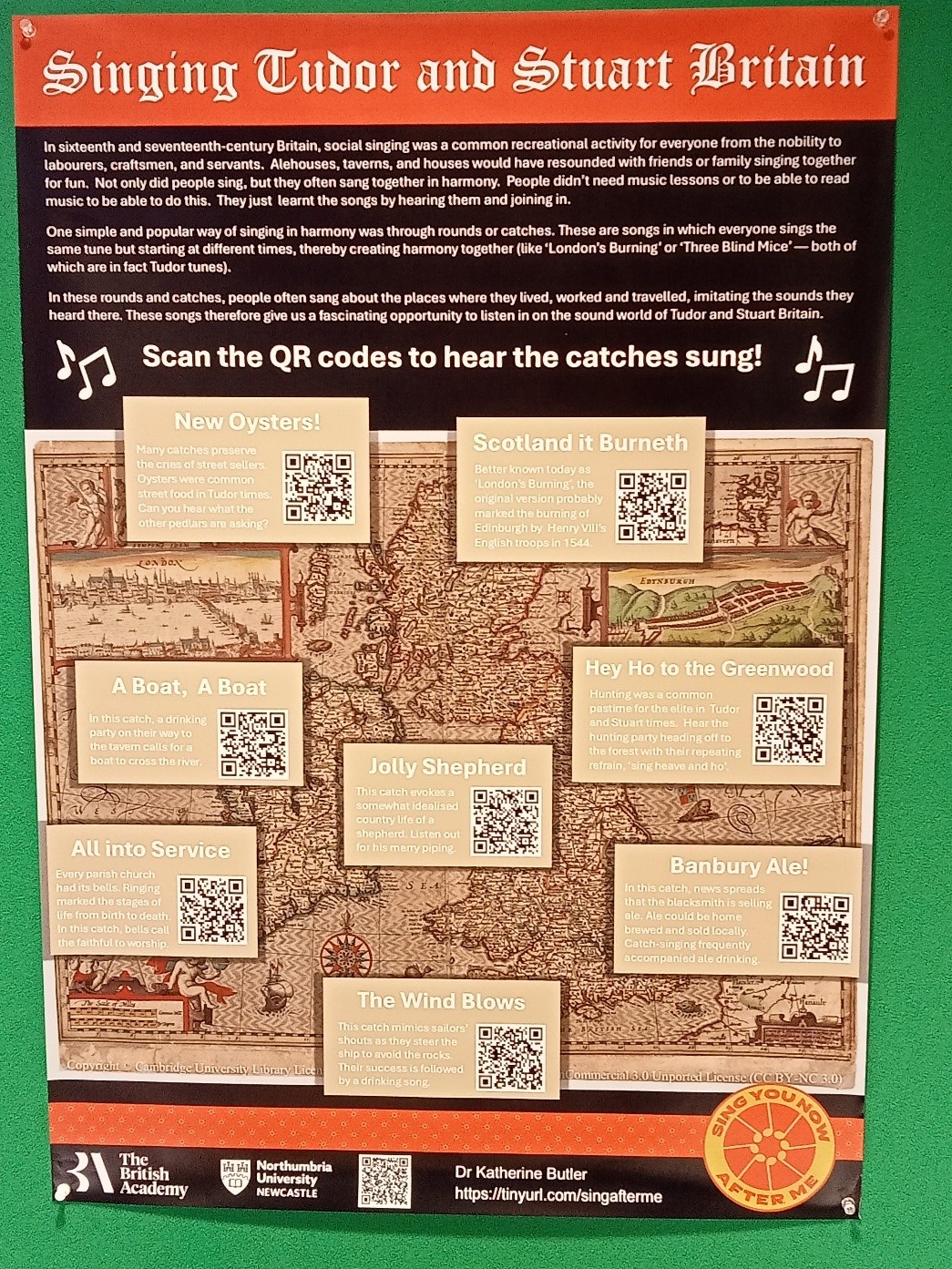
Newcastle Late Show venue on ‘Sound Travels’ had a mini exhibition on how catches help us to understand the soundscape of Tudor England. It was an opportunity to learn a Tudor drinking song, and crowd-sourced ideas to create a ‘Newcastle at Night’ soundscape catch.
Working with North Tyneside Music Hub
We are creating two six-week schemes of work. They are ‘Class X Catch Club’ for Key Stage 1’ and ‘Singing the Tudors’ for Key Stage 2’. Piloting in Autumn 2025 and freely available for all teachers in 2026. We are working with Charlotte Law, Music Curriculum Support for North Tyneside Music Education Hub.
Project image gallery
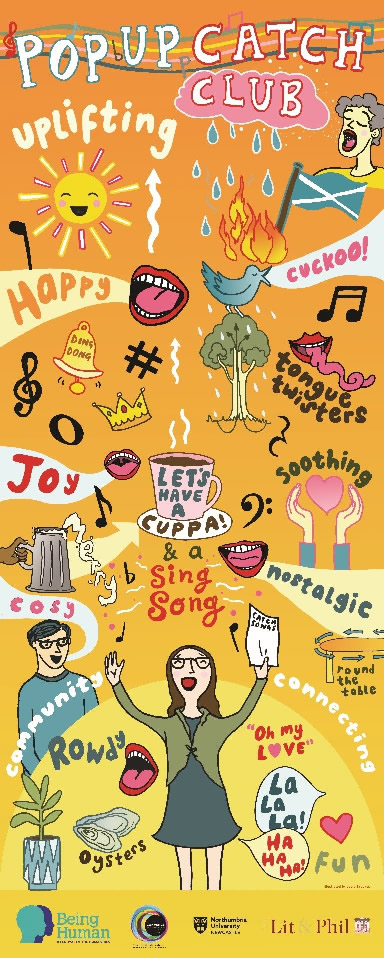
Converge Pop Up Catch Club at the Magic Hat Café for the Being Human Festival, Nov 2023
Catch-Singing Workship on Social Singing and Wellbeing Bede Academy, 2025
Learning a Tudor Drinking song at the Newcastle Late Shows, May 2025
Sunflower Six’s song to the tune of ‘O My Love’, Great Park Brownies,2025
Gosforth Guides Catch (to the tune of ‘Scotland it Burneth’, ‘London’s Burning’, 2025
Gathering ideas to compose a Newcastle soundscape catch
Reasons to Sing, family concert by Stile Antico at Newcastle Cathedral funded by Arts Council England and featuring year 8 pupils singing the catch Sing You Now After Me
Final recording at the end of the Converge Catch Club workshops, autumn 2024
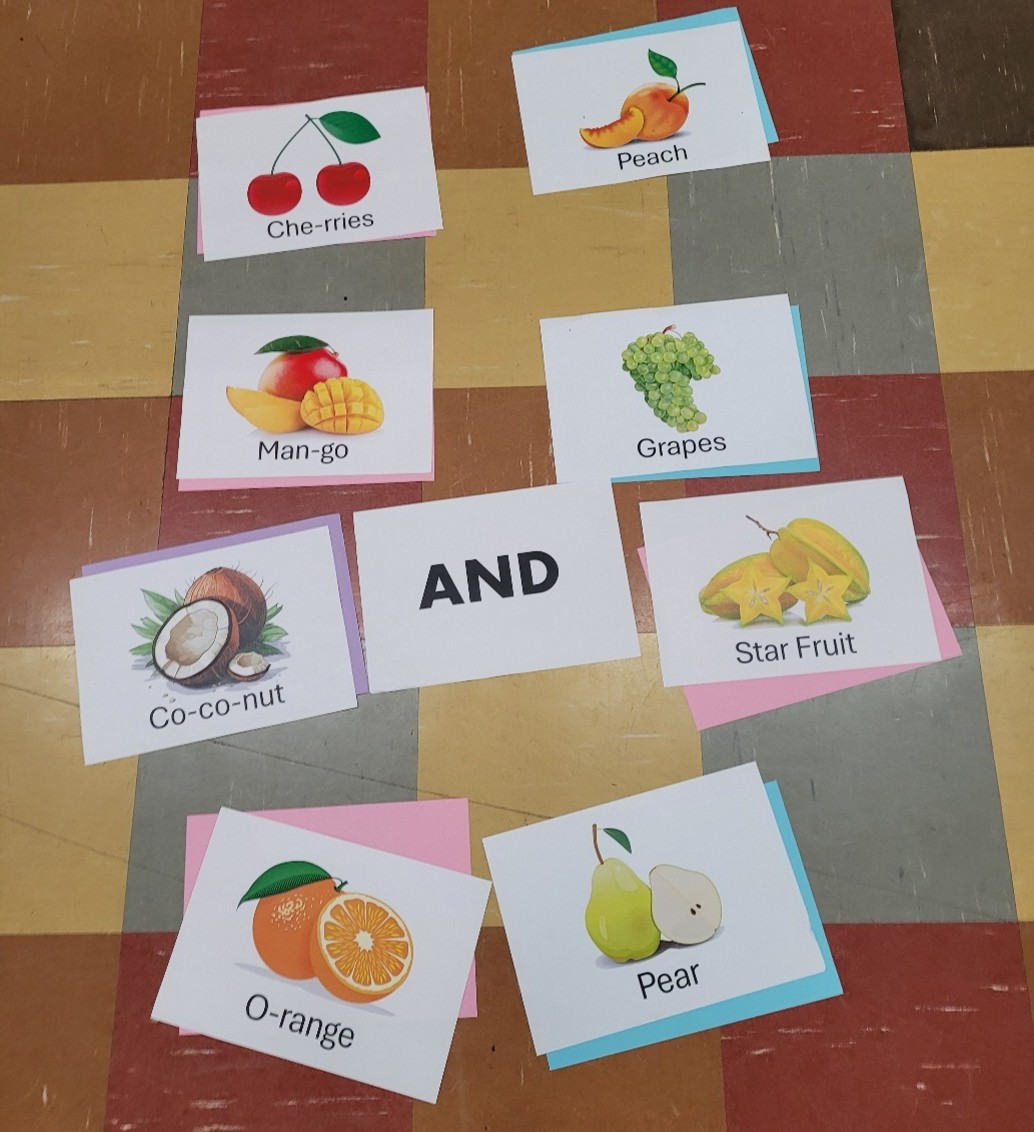
Fruit Salad Catch composed by Heaton Rainbows, aged 5-7, to the tune of O My Love, 2025
Catch Club Banner designed by illustrator Josie Brooks in response to the Being Human Festival ‘Pop Up Catch Clubs’ using words, colours and doodles provided by participants, Nov 2023
Mini exhibition on catch-singing and the soundscape of 16th and 17th century Britain Newcastle Late Shows May 2025
Partners and Sponsors
Being Human
The British Academy
Converge
Girl Guiding Newcastle upon Tyne
The Lit and Phil logo
Kiplin Hall and Gardens
Newcastle Cathedral
North Tyneside Music Education Hub
Project classification
Project title is an English and History project. It belongs to the following research clusters:
Staff in Humanities and Social Sciences at Northumbria University work with a wide variety of external institutions, organisations, and individuals and we are always keen to develop new partnerships and collaborations.
So, if you think there would be a benefit in working with us, or that our research expertise might be of use in your project or organisation, please get in touch to start the conversation.