

Results
The Successful Park Governance Bandstand
The Sucessful Park Govenrance Bandstand framework identifies key factors to consider in building and sustaining effective park charity governance and collaborations with local authorities and communities.
Developed from the project research findings, it applies to both charitable park management trust and foundation models.
See the framework below, along with a three minute video explaining it. A brief summary of emerging research findings is also presented below.
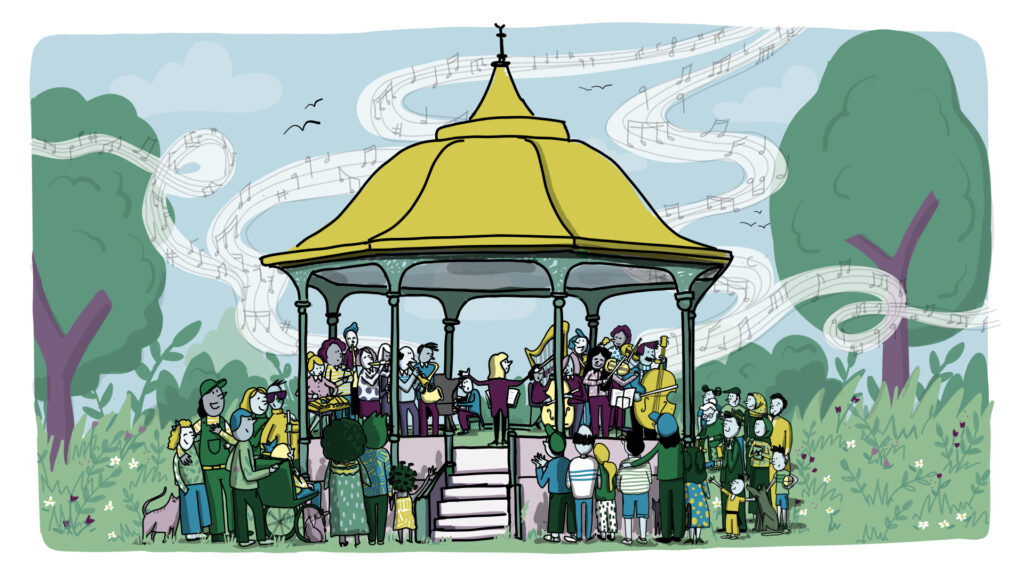
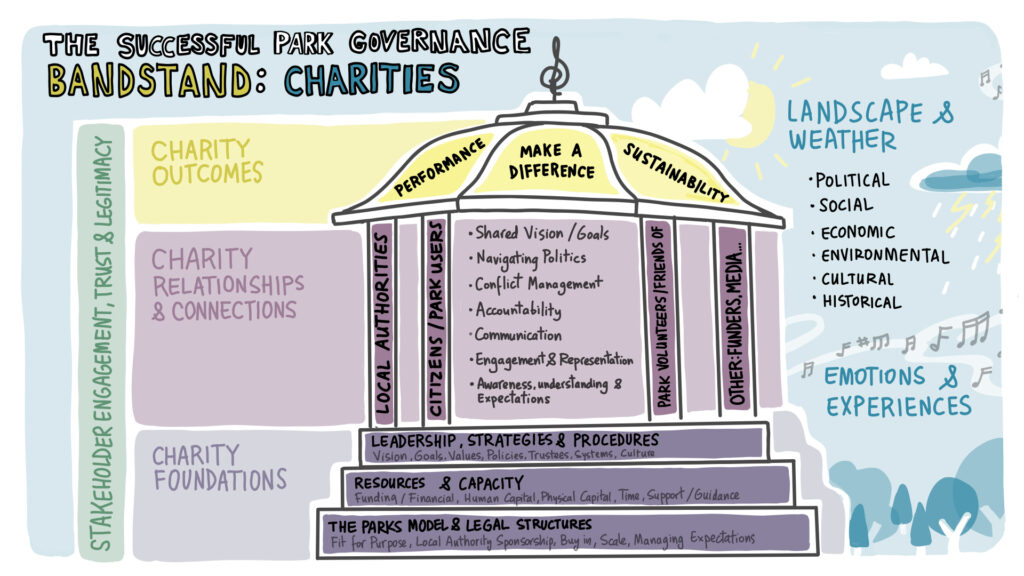
The Successful Park Governance Bandstand Video

Bandstand Feedback
The following feedback from local authorities and park charities demonstrates the benefits and value added of the framework:
“Excellent accessible model.”
“Love it! A fantastic and visual representation of the complexities of this area of work.”
“Excellent graphic and one that I plan to use with my fellow Board members.”
“Great visual to express the complexity of issues with parks governance.”
“Lovely helpful graphic – well done distilling all that rich research!”
“A very clear and concise way of presenting the research.”
Summary of Emerging Research Findings
This section summarises emerging findings from thematic data analysis under three headings: the first relating to charity foundations, the second, to charity relationships and connections, and the third, to useful links. See also the forthcoming research report when available.
Building and Maintaining Solid Park Charity Foundations
Whilst foundations and trusts have been around for many years, their involvement in managing and supporting park provision is relatively new in England i.e. in the last 15 to 20 years. Being pioneering solutions to austerity and, in some cases, to issues arising from joint local authority park ownership, the research case study local authorities and charities had little in the way of blue-prints for how to set up and operate a park trust or foundation in a UK context. Both types of charity faced a number of challenges including: lack of knowledge of the charity sector by local authorities; limited resources and capacity; concerns around commercialisation of parks; and concerns around democratic accountability/voice in park trusts. Getting good legal advice and undertaking stakeholder mapping and engagement to build awareness, understanding and buy-in before and early in the setting up process were crucial for success, building stakeholder trust and avoiding misunderstandings later on. National Trust and National Heritage Lottery Fund support, funding and guidance was important in facilitating charity start-ups, and future policy recommendations include looking into scope for further funding to help with start-ups in other areas. Among good practice identified were Newcastle’s extensive stakeholder community engagement and consultation, which included different formats and methods, and adapting the governance model in the Gunnersbury Museum Park and Development Trust (GMPDT) case study from its initial set up to ensure it was more fit for purpose.

Building and Maintaining Effective Charity Relationships and Connections
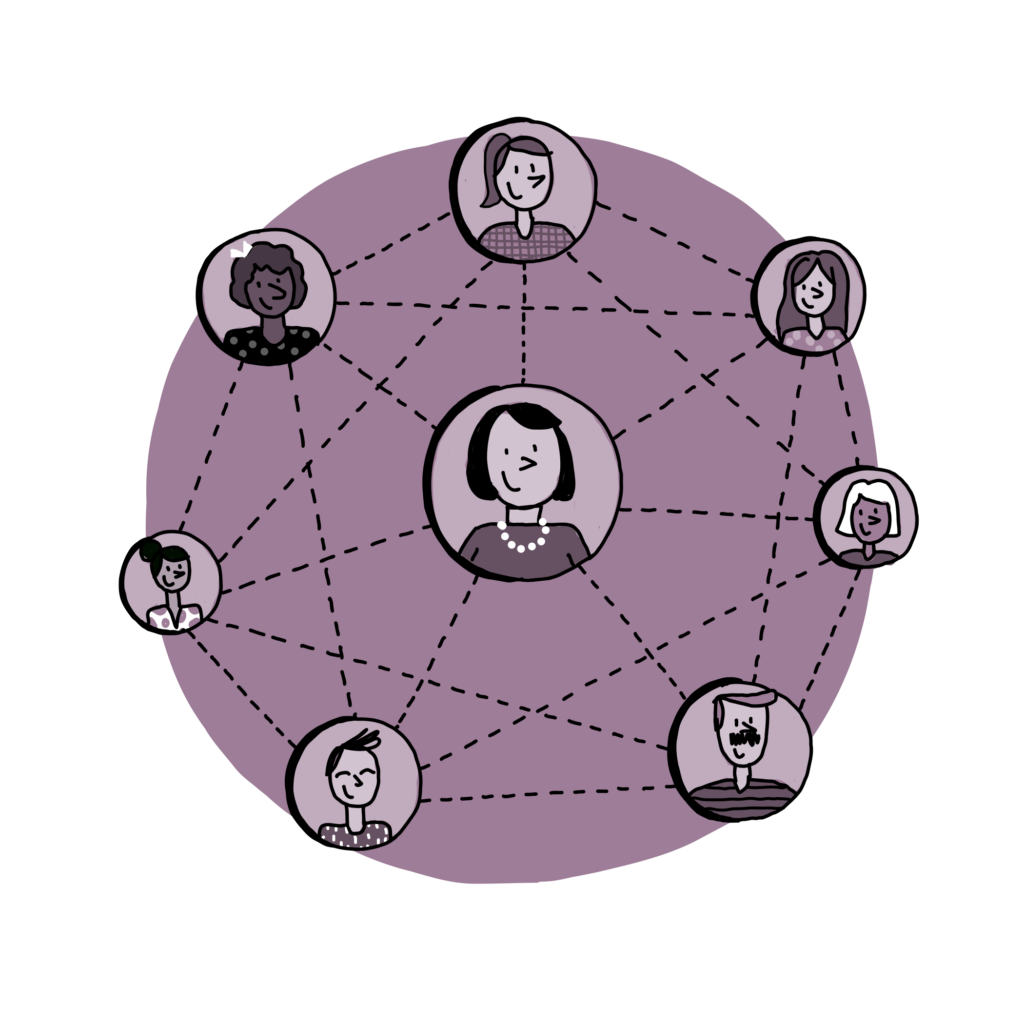
LA fundamental feature of both park foundations and trusts is the need, desire and commitment to work in partnership with a variety of stakeholders, including local authorities, friends of parks groups and volunteers, citizens and park users, and other public, private and third sector organisations. Different methods of engagement and representation were used across the research case studies. In Newcastle, good practice was identified in relation to Urban Green Newcastle’s (UGNs) multi-stakeholder representation group, Urban Green Connect. Chaired by a UGN trustee, this met every three months and had membership of friends of groups, elected members, resident associations, disability groups, students, the police and businesses etc. This forum provided UGN with advice, ideas and practical support. It also facilitated communication and accountability with stakeholders and had a demonstratable impact on UGN’s decision-making. Gunnersbury Museum Park and Development Trust (GMPDT) also had a multi-stakeholder representation group in connection with the Museum, which it is considering expanding out into park decision-making. Other engagement methods included surveys, drop-ins, consultation activities at events, stakeholder meetings, working with the Youth Council and informal conversations. Among the key challenges were lack of capacity, engaging ‘hard to reach’ groups, resident conflicts over noise and disruption from park events and perceptions that the charity was part of the council. Using different communication and engagement methods, sharing positive stories, reporting back on consultation outcomes and finding ‘quick wins’ were among some of the key lessons learnt in building stakeholder trust and engagement.
Another key area investigated was charity-council relationships. Here an interesting dichotomy emerged between charity independence from, and dependency on, local authorities. Charity independence, the ability to set and pursue its mission, values and goals, is seen to be important particularly for park trusts that have taken on responsibility for park management. At the same time, both types of park charities are dependent on the council for permission/authorisation to act in parks as local authorities retain land-ownership. Further dependencies come through the need for local authority political and officer support, funding (if given), contracting or co-ordination with park services, and securing building leases or licencing for events. This makes the local authority a powerful stakeholder and so building and maintaining effective relationships with them is fundamental to the charity’s performance and sustainability. Issues and challenges were identified in all of these areas across the cases, with key lessons being focused on building clear, supportive and collaborative charity-council relationships from the start. Methods that worked well included:
- Having up to two local authority members on the
charity trustee board; - Having local authority champions who can offer
bridging social capital and facilitate awareness building and
communications between and within the two organisations; - Setting up regular formal and informal communication
processes, including presentations at council meetings; - Sharing successes stories and conducting park
walk abouts with elected members.
Among good practice identified is The Parks Foundation’s Memorandum of Understanding, which is a formal agreement made with Bournemouth, Christchurch and Poole Council setting out roles, responsibilities and procedures for how they will work together (see links below to see this). This practice was recognised as being potentially useful in the other case studies.
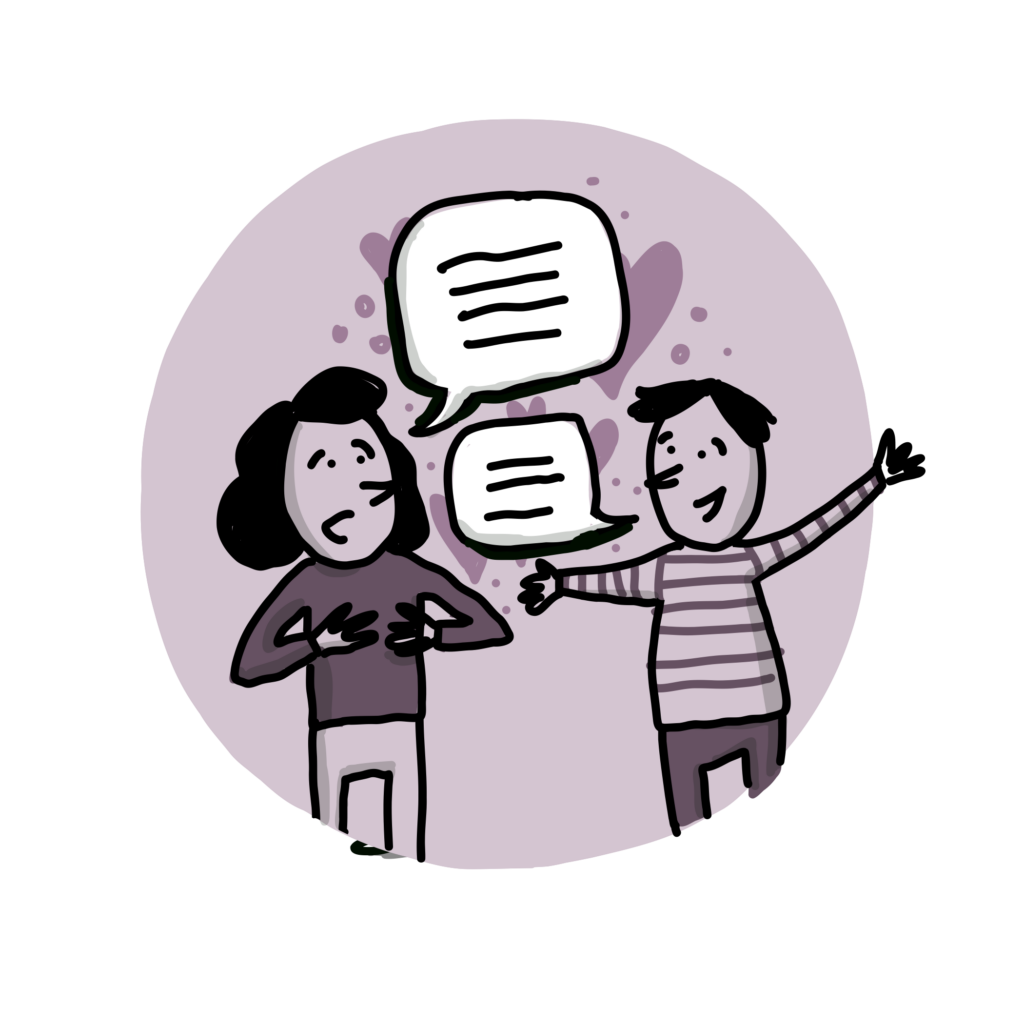
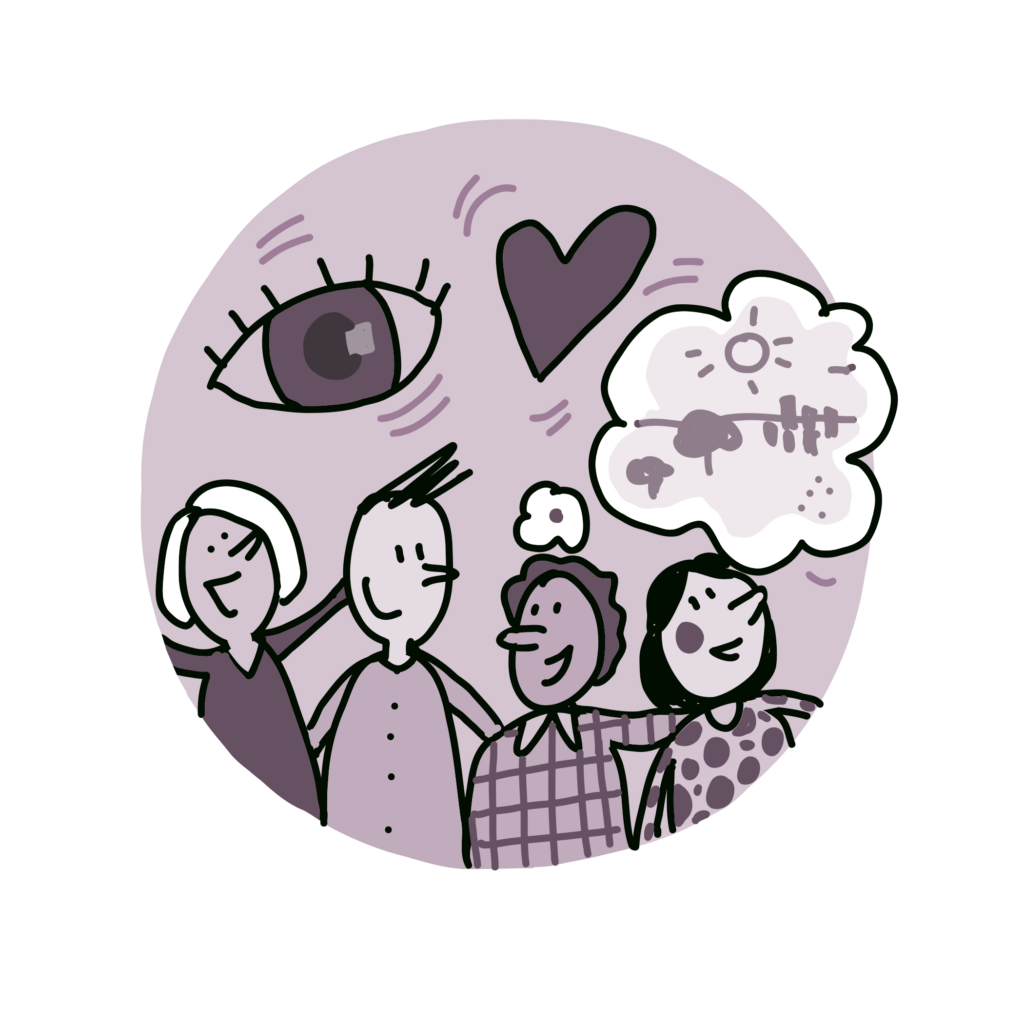
Charity relationships with friends of parks groups were also investigated. Friends of parks are volunteer groups who work to improve and care for a specific park through, for example, undertaking litter picking, planting, fundraising and contributing to the park’s management plan. Collaborations between the charities and friends of groups were beneficial in that they could support the charity’s work in particular parks and act as a voice for a specific group of people. However, the character and capacity of friends of groups vary significantly and their ability to represent different voices is limited. Some conflicts and tensions were highlighted in the research, with some friends of volunteers not feeling recognised or valued by the charity or feeling that the charity (in this case a park trust) was too controlling or bureaucratic. Involving friends of groups early in park management plans was seen to be an important lesson, alongside finding ways to enable them to be more autonomous within the boundaries of appropriate health and safety requirements.
Useful Links
2. Nature,Towns and Cities funding, resources and guidance
3. Future Parks Accelerator resources
4. The Parks Foundation Website, Bournemouth Christchurch and Poole and link
to memorandum of understanding
5. Gunnersbury Museum, Parks and Development Trust, West London
6. Legacy website outlining Urban Green Newcastle’s successes, journey and evaluation
7. Journal article by Crivellaro, C et al (2019) that gives an overview of local
authority stakeholder consultation in the lead up to UGN being created.
Presentation of Emerging Findings from the Collaborative Journey’s of Local Government, Park Charities and Social Enterprise Workshop, October 2025: Click here for presentation video.

Current Publications and Guides
- Local Government Officers, Pragmatism and Creativity during Austerity – The case of Urban Green Newcastle, Daly, S., Chapman, R., Pegan, A. 26 Feb 2023, In: Local Government Studies
- Community engagement tool & guidance developed in collaboration with Urban Green Newcastle. This contains various methods for consulting citizens and stakeholders beyond traditional surveys and focus groups. Several of these were included for their low cost and resource qualities.
Forthcoming and Planned Publications
The following will be posted on this website when available. If you would like to be notified by email when these are published, please email Dr Rachael Chapman at rachael.chapman@northumbria.ac.uk
- Chapman, R. and Hou, N. (Forthcoming) How to Build and Maintain Successful Park Charity Governance: A Guide for Local Authorities and Park Charities’, Newcastle Upon Tyne, Northumbria University.
- Diagnostic tool to help practitioners self-reflect and assess park governance.
- Research briefings presenting summary research findings.
- Summaries of project dissemination events.
Credits: The artwork for the video and results page has been provided by Marina Roa, Visual Thinking. Deepest thanks go to Barbara Hooper, Jack White, Dr Nancy Hou, Professor Irene Hardill, Brian Blake, Marina Roa, colleagues at Northumbria University, and the project advisory group and research/event participants for all their contributions and feedback on the research and park governance bandstand framework, and to Jamie Colston for his creative contributions and insights, and excellent design and facilitation of several ‘Art of Hosting’ Conversations events. A special thanks also to the British Academy who have funded this research.