
Who are you, and what do you do?
Hi, my name is May Sumbwanyambe, I’m a Lecturer in Creative Writing at Northumbria University. I’m also a playwright, scriptwriter and librettist, and I’m currently completing a PhD on contemporary creative writing on historical Black lives at the University of York.
Where do you live?
I split my time between Glasgow, Edinburgh and Newcastle.
Which interests, personal or professional, link you to this project?
Practice research in scriptwriting is my primary research method, supported by critical reflection on practice as well as historical research. The central question underlying all of my research is, ‘How can practice research in scriptwriting investigate how the past informs the present?’ Also, the subject matter of my practice research is the lives of persons of African/Caribbean descent in Scottish public life, with a particular focus on drawing ideas from the American philosophical movement of post-blackness and applying them to the literary genre of British historical drama.
Whilst working on this project I have found Tavia Nyong’o’s reflections on Saidiya Hartman’s formulation of a ‘critical fabulation’ in ‘Unburdening Representation’ to be a really useful impulse on thinking about how we structure stories starting from ephemera. Or rather, how we play with and rearrange ‘the basic elements of the story, by representing the sequence of events in divergent stories and from contested points of view’.
On this project I am attempting, as she describes, ‘to jeopardize the status of the event, to displace the received or authorized account, and to imagine what might have happened or might have been said or might have been done’. This critical fabulation allows me to refuse ‘the coercive mimeticism that would demand’, as Hartman outlines, that I produce ‘a “romance” to fill in the missing voices of the archive’. My tactic is ‘to mine “the figurative dimensions of history” itself; to zero in on those points where archival reconstruction and narrative invention come into maximum tension – and to (re)produce the sense of instability and potentiality relating to the events of the Glasgow 1919 race riots that the ephemera I’m working from is focused on.
What kinds of ephemera would we find preserved in your home?
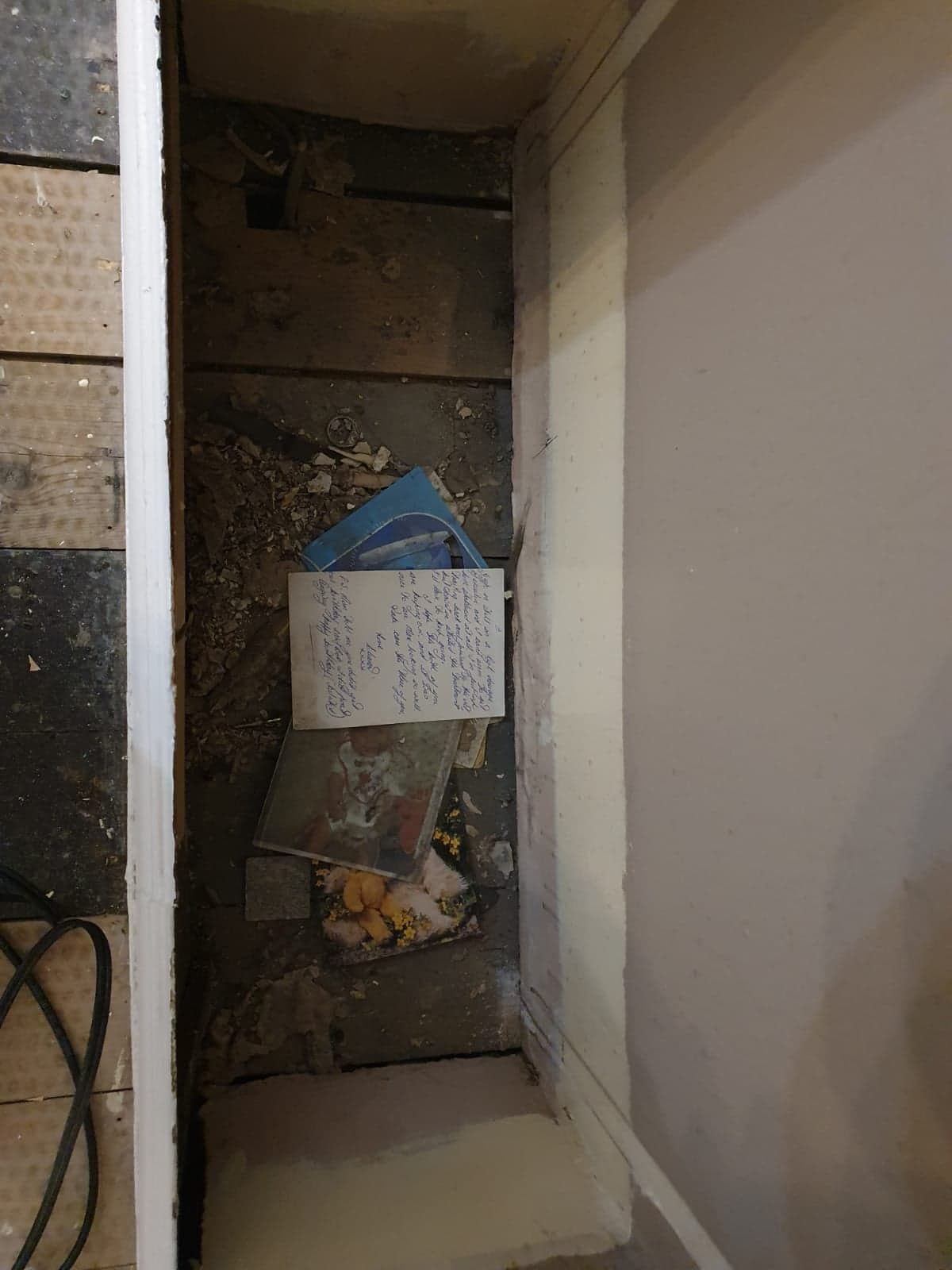
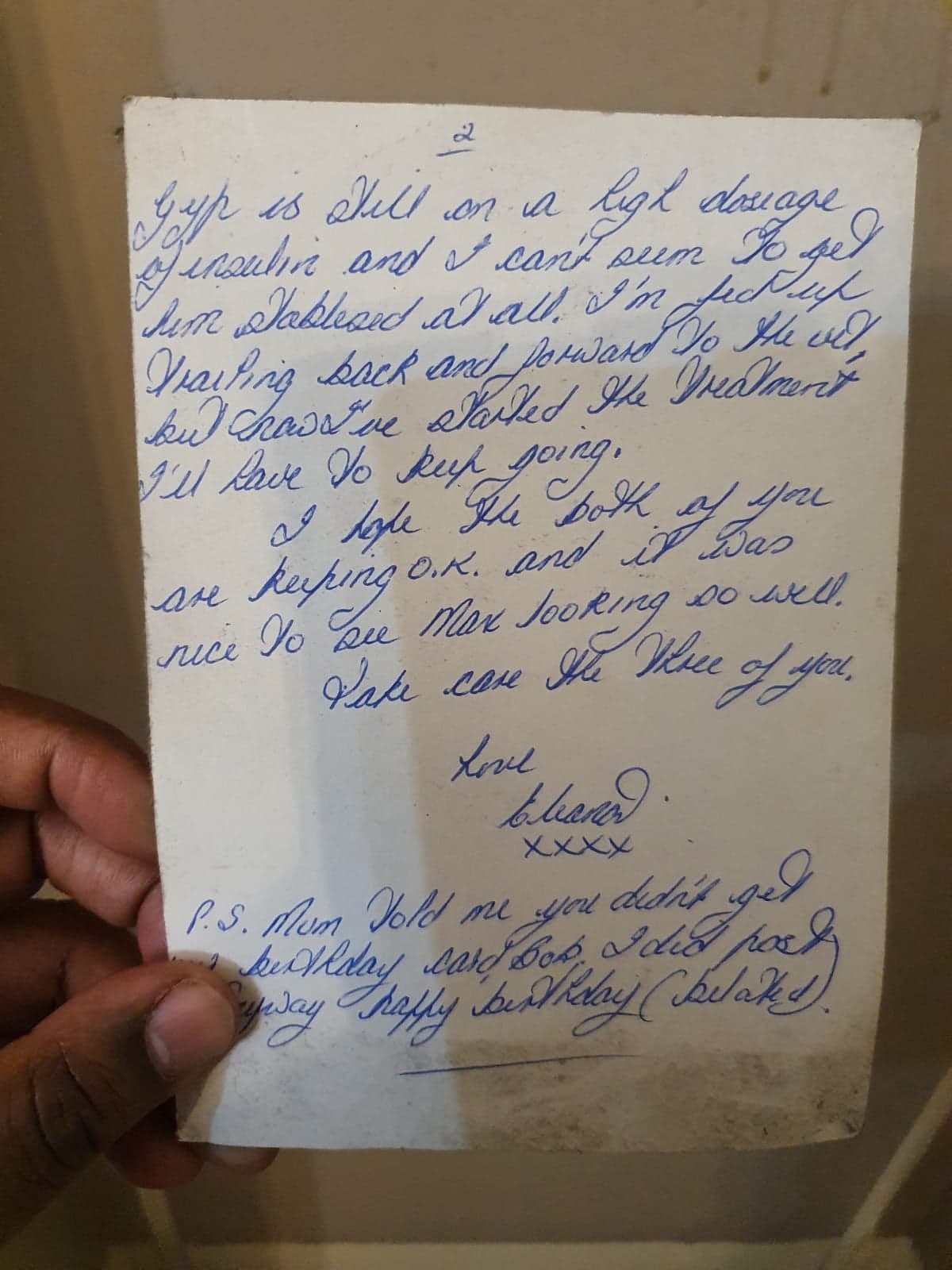
I’m not much of a hoarder in truth, so the main kinds of ephemera you’d be likely to find in my house are clippings from newspapers that were important to me for one reason or another, or perhaps ticket stubs to plays I might have seen in the theatre. Really interestingly I found some ephemera in my house when I was recently renovating – we were doing the floor and we found old cards and letters underneath a bookshelf built into the wall beneath the floor boards. It was too hard to resist reading these lost documents that, like the layers of paint and wallpaper we found around the fireplace, told their own fascinating story about people who once lived in this house.
Do you have a favourite kind of historical ephemera?
I’ve found the most useful type of ephemera to my work are the pieces that speak directly to the character of a person or a community. You can lose yourself for days in the archives looking at newspaper articles describing huge events and intimate moments that took place and also documents that record what arguments are being formed in court room cases of the day – and how that quietly comments on the values that people held and the things that people thought were important or not.
For our project, May is working on a new stage play about the aftermath of the First World War and the 1919 Glasgow Race Riots in Glasgow’s working-class communities. In the meantime, do check out some of his other work!
May’s most recent stage play, Enough of Him, premiered in a sold-out National Theatre of Scotland production in autumn 2022 and was published by Bloomsbury. The play revisits the landmark trial of enslaved African man Joseph Knight, securing his freedom in Scotland in 1778, and is an example of May’s work in recovering Black voices in Britain beyond the scant records available to document them.
May’s BBC4 radio play Back Home, released in January 2023, takes a holistic look at the trade in ivory and elephant conservation in Zambia in the context of local communities. The radio play comes out of a collaboration with PhD student Molly Brown while May was an artist-in-residence at the University of York’s Leverhulme Centre for Anthropocene Biodiversity. You can listen to the play on iPlayer.